


What makes slot machines so addictive for gamblers?
The Illusion of Control
One of the primary reasons slot machines become so addictive is the illusion of control they offer players. Gamblers often believe they can influence the outcome, whether by choosing specific machines or timing their spins. This perception can lead to a heightened sense of investment, making them more likely to continue playing. The reality, however, is that slot machines are programmed to function on random number generators, making any sense of control entirely false.
This illusion can also tie into social factors, where friends or family members may be playing the same machines, inadvertently creating a communal environment that reinforces the belief in control. As individuals seek a sense of agency in their gambling activities, this illusion can lead to prolonged sessions at the machine, further enhancing its addictive nature. It is essential to understand that while it may feel like they are making choices, the outcomes remain unaffected by player decisions, creating a cycle of engagement that is hard to break.

The Role of Reward Systems
Slot machines employ sophisticated reward systems that create intense excitement and anticipation. When players hit a winning combination, the rush produced by dopamine release in the brain is significant. This pleasure response can be addictive, prompting players to seek that high again. The unpredictability of when a big win will occur only heightens the excitement associated with playing.
Moreover, many machines offer bonuses and progressive jackpots that can inflate the potential rewards, making them even more enticing. The design of these machines often incorporates bright lights and engaging sounds to further amp up the sensory experience, keeping players drawn in and eager for their next opportunity to win. This combination of visual stimulation and potential reward fosters an environment where players lose track of time, often playing for longer than they intended.
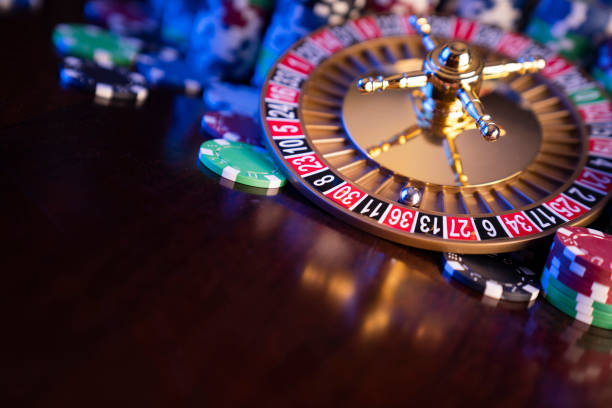
The psychological impact of near misses—where players come close to winning but ultimately fall short—also serves to elevate excitement and prolong play. This phenomenon reinforces the desire to continue playing in hopes of achieving that elusive win, further embedding the addiction and compounding the player’s financial risk.
The Impact of Accessibility
The ubiquity of slot machines also plays a crucial role in their addictive nature. Today, players can find them in various environments, ranging from casinos to online platforms. This accessibility makes it easy for individuals to engage with these games at any time. For example, players can enjoy an ice fishing game online or traditional slots without geographical limitations, making it easier for them to indulge in their gambling habits.
Additionally, mobile technology has made slot machines available on smartphones and tablets. This convenience means players can engage with their favorite games whenever they feel the urge, further enticing them to play frequently. The constant availability coupled with the potential for instant gratification creates a perfect storm for addiction. As a result, even casual players may find themselves drawn into patterns of play that quickly escalate beyond what was initially intended.
Moreover, online platforms often implement loyalty programs that reward frequent play, making it even more difficult for players to resist the urge to gamble. These systems create additional incentives for players to return and continue their habits, further entrenching them in a cycle of addiction that is hard to escape.
The Social Component of Gambling
Gambling is often viewed as a social activity, and slot machines are no exception. Many casinos foster a vibrant atmosphere that encourages interaction among players. This communal experience enhances the enjoyment of playing, making it easier for individuals to rationalize extended gambling sessions. The presence of fellow players can intensify emotions, adding another layer to the addictive nature of the games.
Social media and online forums also contribute to the obsession with slot machines. Enthusiasts share their wins and strategies, creating communities that promote continuous engagement with these games. Such interactions can help normalize and amplify gambling behaviors, making them seem more acceptable and even desirable. Additionally, these online platforms often host competitions and group events, creating a sense of belonging that can further reinforce gambling as a preferred social outlet.
As players become more intertwined with social communities centered around slot machines, they may also become less aware of the risks involved. The celebratory nature of sharing wins can overshadow the potential for loss, leading to a dangerous normalization of excessive gambling.
Understanding Slot Machine Addiction and Recovery
Recognizing the addictive potential of slot machines is crucial for both players and loved ones. The awareness of risk factors can facilitate informed decisions, helping individuals manage their gambling habits effectively. Various resources are available for those seeking to understand or recover from addiction, including support groups and counseling services.
The journey to overcoming addiction may involve addressing underlying issues and developing healthier coping strategies. Education plays a significant role in demystifying the allure of slot machines, enabling individuals to make more conscious choices regarding their gambling activities. Programs that focus on awareness can help players appreciate the difference between enjoyment and compulsion. Through workshops and counseling, individuals can learn about strategies to set limits, recognize triggers, and seek help when needed.
Building a supportive network can also be beneficial during the recovery process. Friends and family members can provide the encouragement needed to change behaviors and support individuals in setting boundaries. It may also be valuable for individuals to engage in alternative recreational activities that fulfill the needs previously met by gambling, helping to break the cycle of addiction.